
Medina · Essaouira
Medina of Essaouira
The Medina of Essaouira forms a single large historical ensemble. It notably brings together the sectors of Bab Sbaa, Bab Marrakech, Bab Doukkala, Chbanat, Kasbah and Mellah: these names describe doors or internal sectors, not six independent real estate districts.
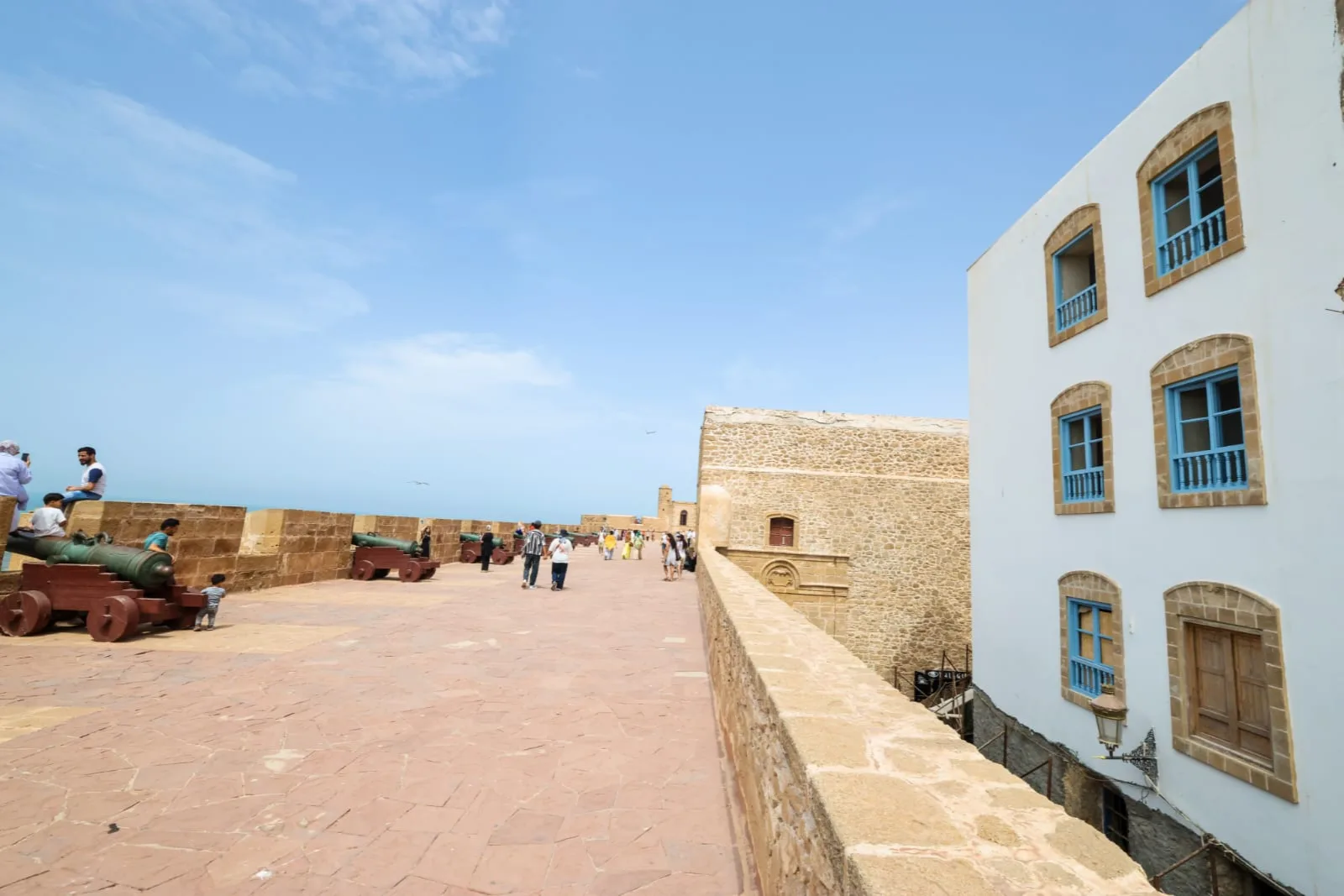
The Skala ramparts in the medina of Essaouira
History and identity
Former Mogador, the medina was developed in the 18th century as a fortified city open to trade. Its fabric combines housing, workshops, shops and heritage places. The Kasbah and the Mellah participate in this common history, while Bab Sbaa, Bab Marrakech and Bab Doukkala structure access.
Everyday life
The routes vary depending on the closest door and the street: Bab Sbaa, Bab Marrakech and Bab Doukkala do not offer the same access. It is also necessary to observe deliveries, parking outside the ramparts, the wind, the entertainment, the noise and the light at several hours.
Property in Medina of Essaouira
Medina houses, riads, apartments and premises make up the offer. In Chbanat, in the Kasbah, the Mellah or near the gates, each property requires the same vigilance on the title, structure, humidity, waterproofing, networks, joint ownership and work authorizations.
The strengths of Medina of Essaouira
Life on foot, proximity to services, terraces and the diversity of atmospheres are its main assets. Chbanat, the sectors close to the gates, the Kasbah and the Mellah have different uses, but remain linked by the same ancient fabric and the same building issues.
What to check
Precisely locate the property in the medina, then check its real access, title, structure, humidity, terrace, networks, joint ownership and authorizations.
Sources and limitations
Audit documentaire 25/08/2026 : UNESCO, Médina d’Essaouira (liste 753), dossier de proposition et suivi de conservation. Validation locale requise pour l’état précis de chaque bien.
Local selection
Properties available in Medina of Essaouira
No public listing is currently linked to this page. Describe your search to receive guidance without suggesting unavailable properties.
Describe my search